


 „Whether the trade logistic is able to remain competitive in the future, or whether new player barge between end customer and trade, is highly dependent on the position trade takes in the process of digitalization.“ This is the core result from the „EHI scenario study on trade logistics 2025“, which was conducted in cooperation between the EHI Retail Institute in Cologne, several logistics experts from trade and ScMI - their methodical partner company.
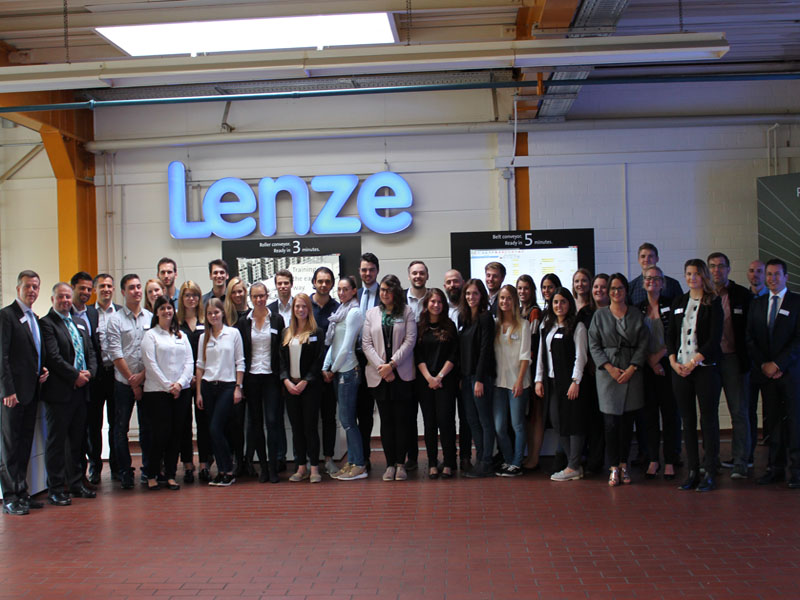 How does the future of the service market for drive- and automation technology look like in fourteen years from now? There is no doubt, that this years’ Future School question was a challenging one. Over four months 28 economic bachelor degree students took the challenge and created future scenarios that were presented to the business unit manager of this years’ partner LENZE SE in late August.
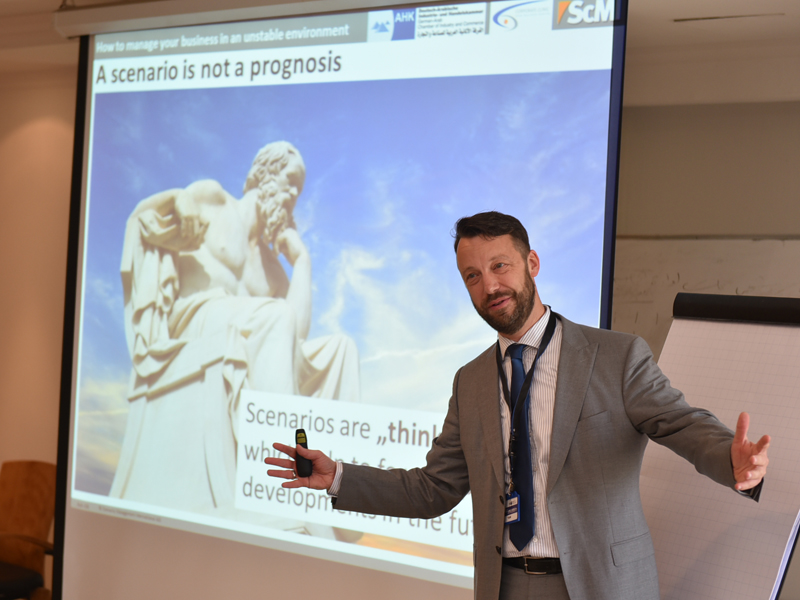 On July 18th, ScMI provided its first scenario-workshop in Egypt in co-operation with its partner firm CORPORATE CLIENT, a 2010 established consulting company from Cairo.
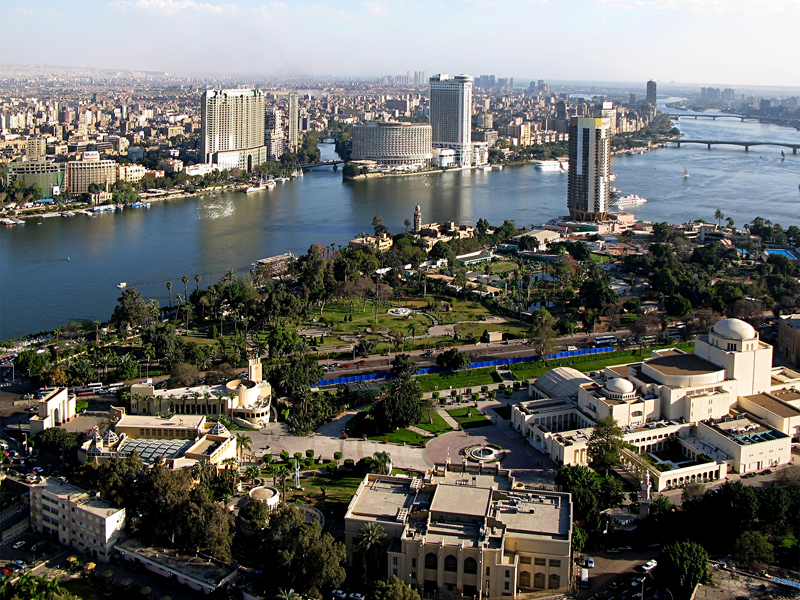 NAMET stands for “North Africa, Middle East and Turkey” – a diverse geo-region which is characterized by a high level of complexity and uncertainty – but also of high dynamic and significant market opportunities.
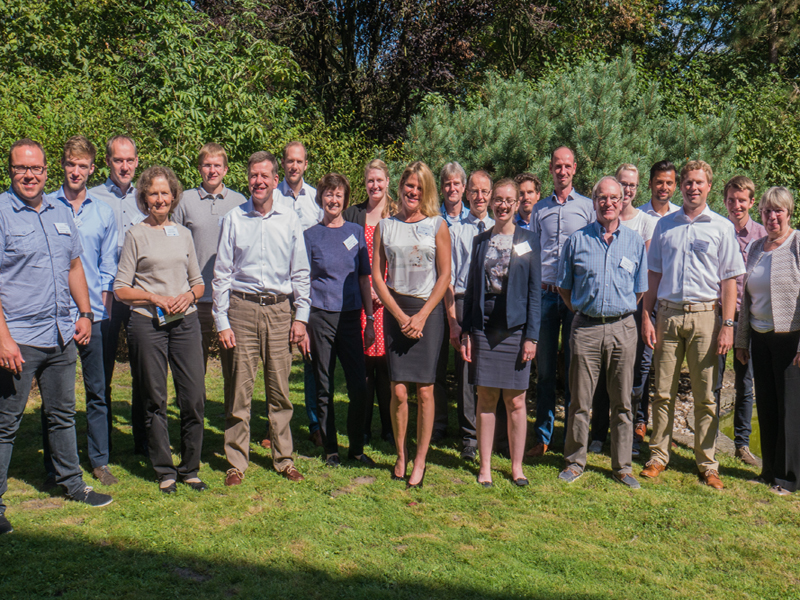 Digitalization is one of the those topics that is dominating today’s world. The influences of digitalization on how we work today and in the future are diverse, complex and uncertain at the same time. “Work 4.0 – How East Westphalia will work in the future” is the title to which ScMI together with regional actors of the working world develop future scenarios.
  The global mobility markets are undergoing a profound change which at the end also significantly influences the motorcycle market.
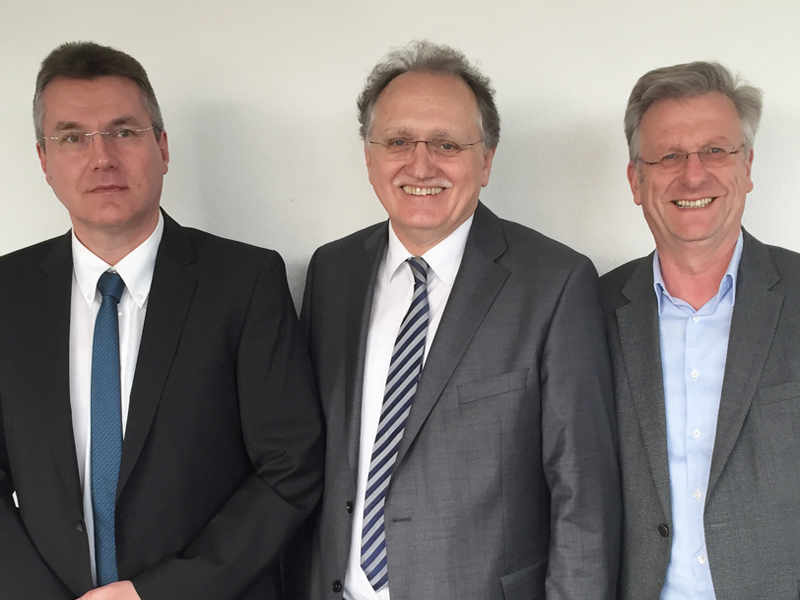 The 17th general meeting of the Scenario Management International AG confirmed the previous supervisory board in office. Dr. Ralf Becker remains chair of the board – personally liable managing partner of the Fritz Becker KG in Brakel.
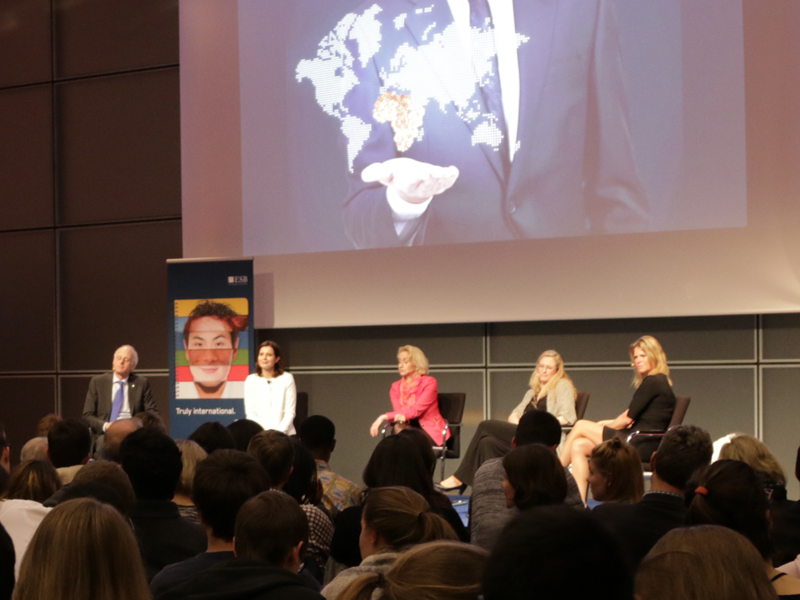 The economic forum of the ESB Business School was established in 1996 and is since than organized by ESB students. It offers public discussions on current topics in economics, politics and society. This year’s forum dealt with “The hunt for the forgotten continent – Africa on sale?“
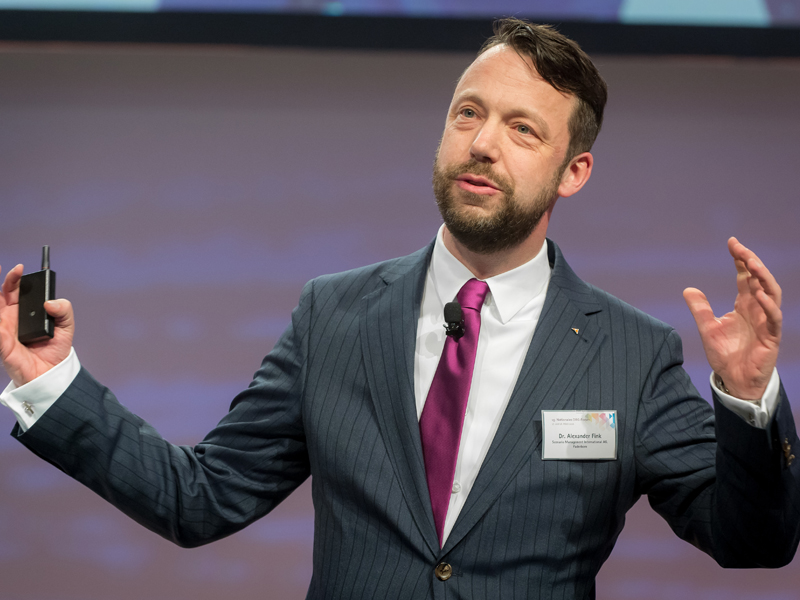 Digital and outpatient! ‘The hospital of the future’ – this was the title of this year’s DRG-Forum. This biggest discussion platform for hospital managers and decision-makers in politics, industry, associations and science took place for the 15th time in March in Berlin.
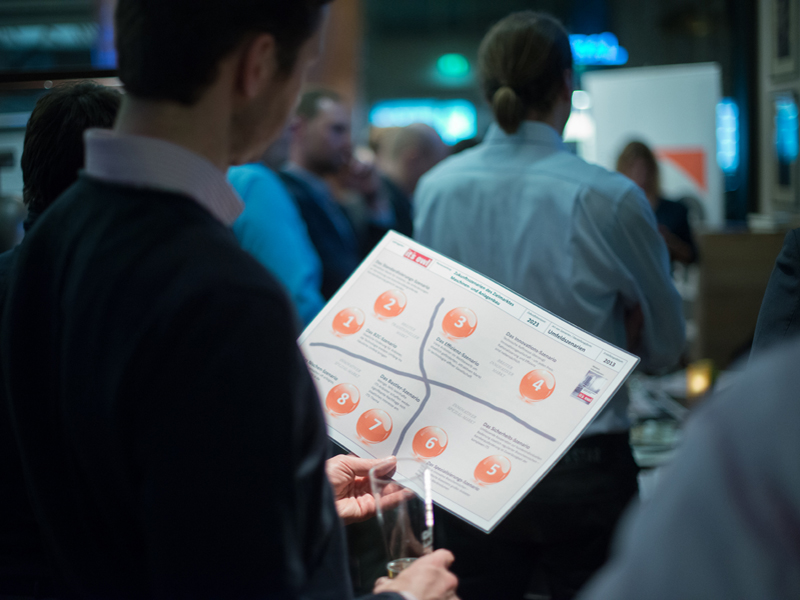
Scenarios as maps of the future – in one way or another scenarios can be better understood if many different futures are mapped together. Consequently, ScMI provided a “map room” during their icebreaker-session at the 2016 DTIM-Conference in order to introduce the Scenario-Management approach.